
Footwear Sourcing & Manufacturing
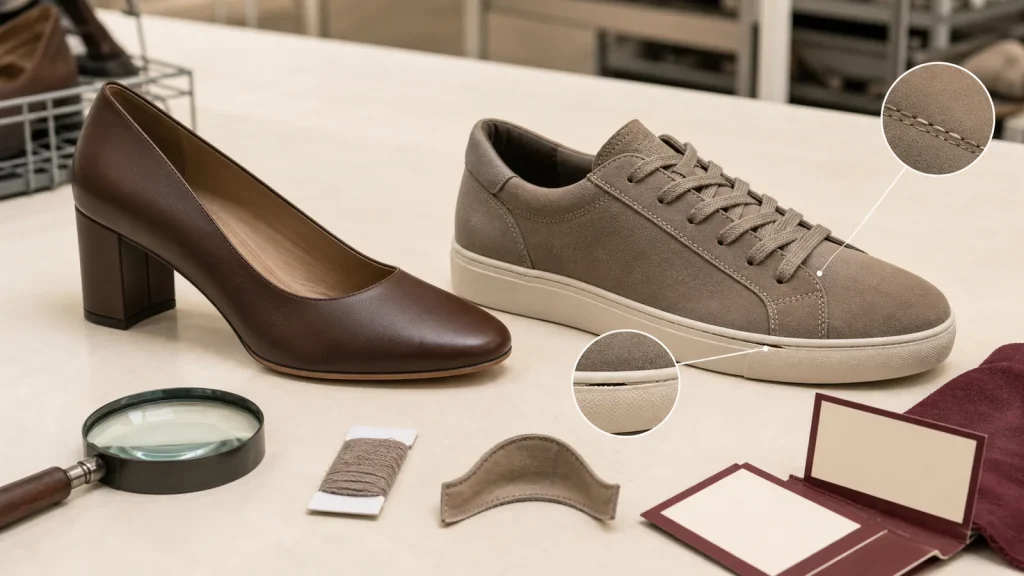
Common Shoe Defects: Causes, Classification and Corrective Actions

Classify common shoe defects by severity, trace likely causes and assign corrective actions with a practical buyer table and factory follow-up workflow.
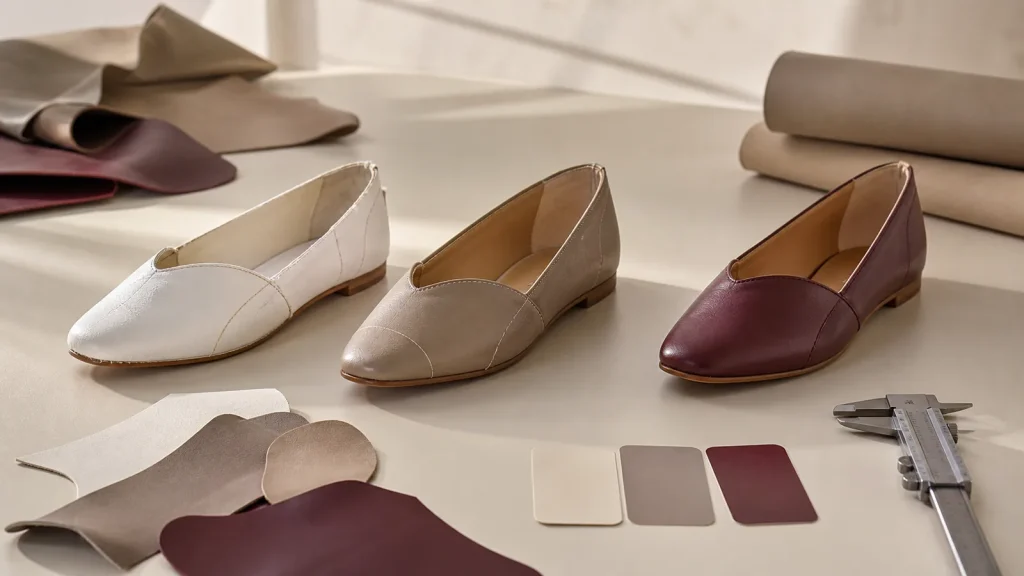
Shoe Sampling Process: From Prototype to Confirmation Sample
A practical shoe sampling process for buyers: define each sample round, control fit and materials, log revisions and approve a production-ready reference.
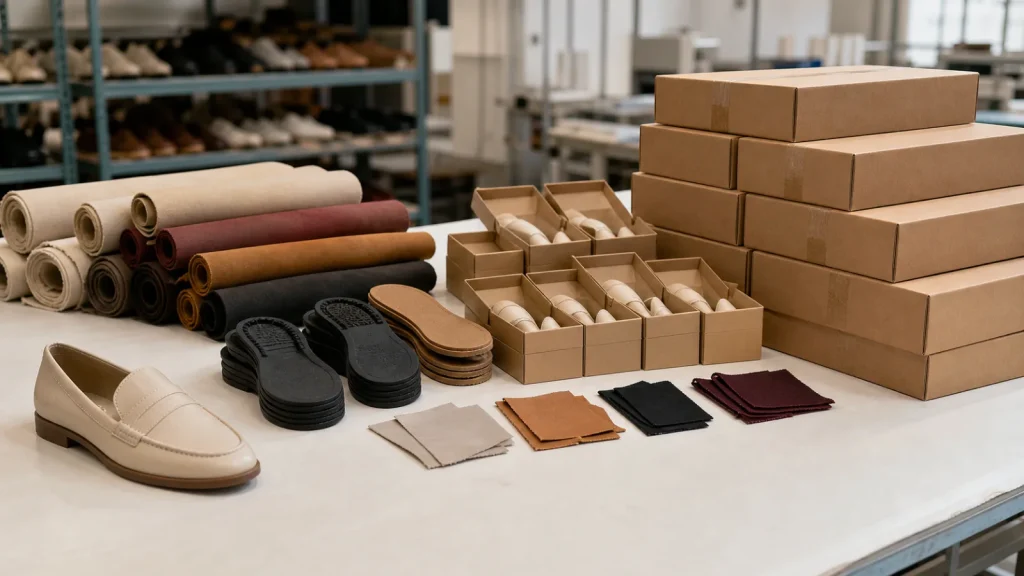
Shoe MOQ Explained: What Drives Minimum Order Quantity
Understand shoe MOQ by style, color and size—and learn how materials, components, tooling, packaging and production setup determine the minimum.
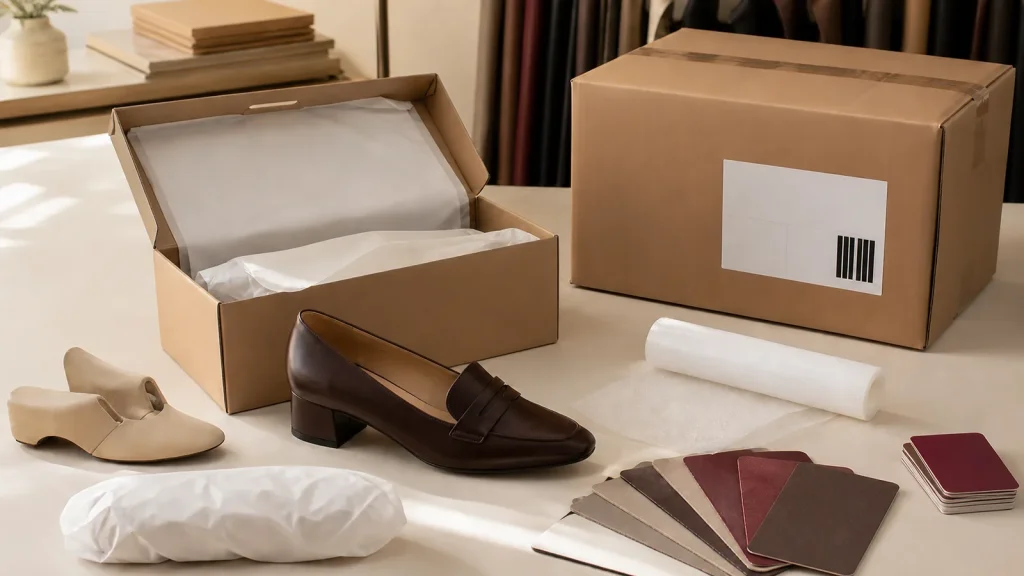
Footwear Packaging and Labeling Checklist for Export Orders
Control shoe labels, retail boxes and export cartons with a market-specific checklist covering traceability, EU material labels, origin marks and ISPM 15.
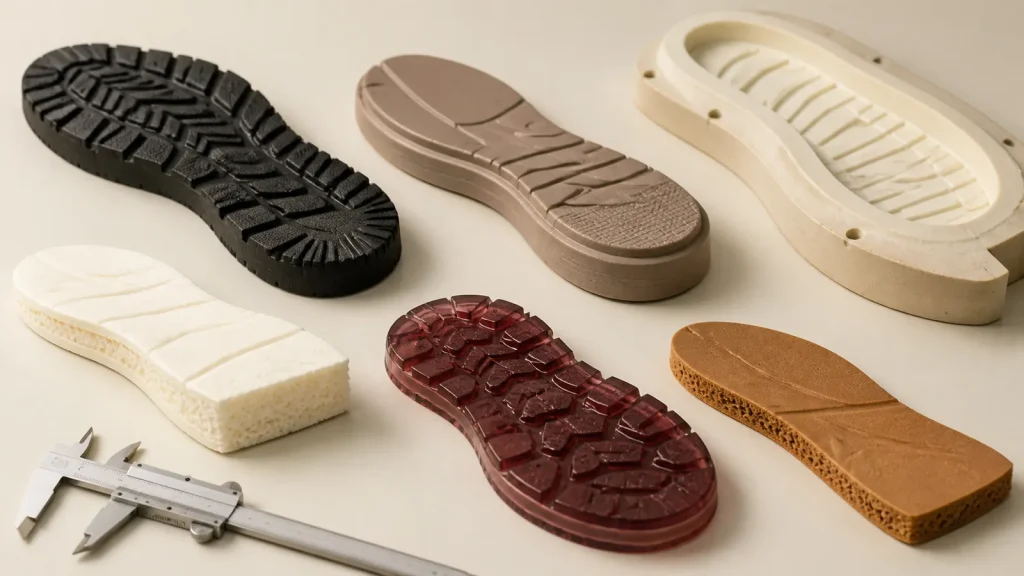
Shoe Sole Materials Compared: Rubber, TPR, EVA, TPU and PU
Compare rubber, TPR, EVA, TPU and PU shoe soles by weight, wear, flex and production risk, then build a testable outsole specification.
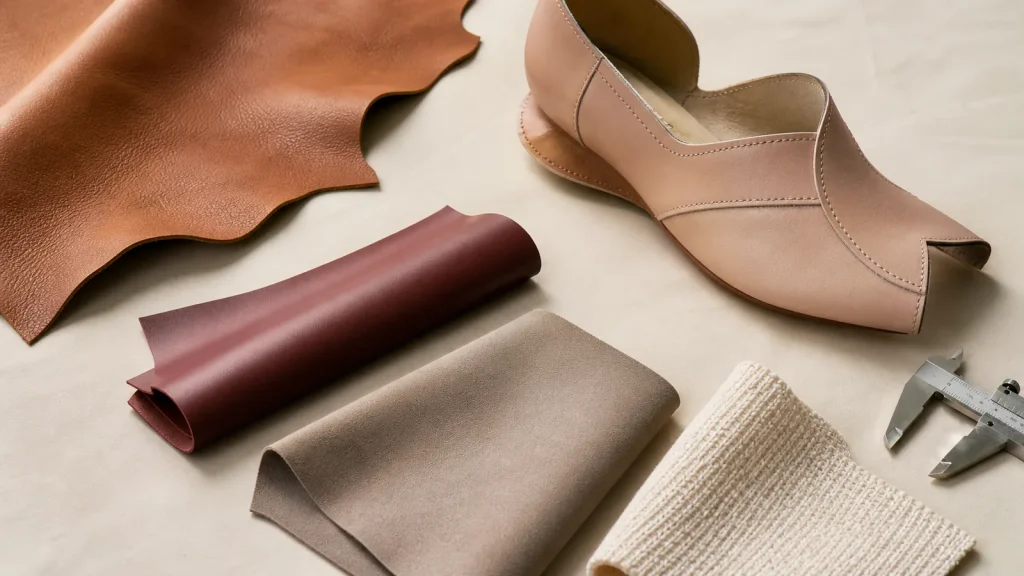
How to Choose Shoe Upper Materials: Leather, PU, Microfiber and Textile
Compare leather, PU, microfiber and textile shoe uppers by appearance, construction risks and footwear tests, with a practical sourcing checklist.
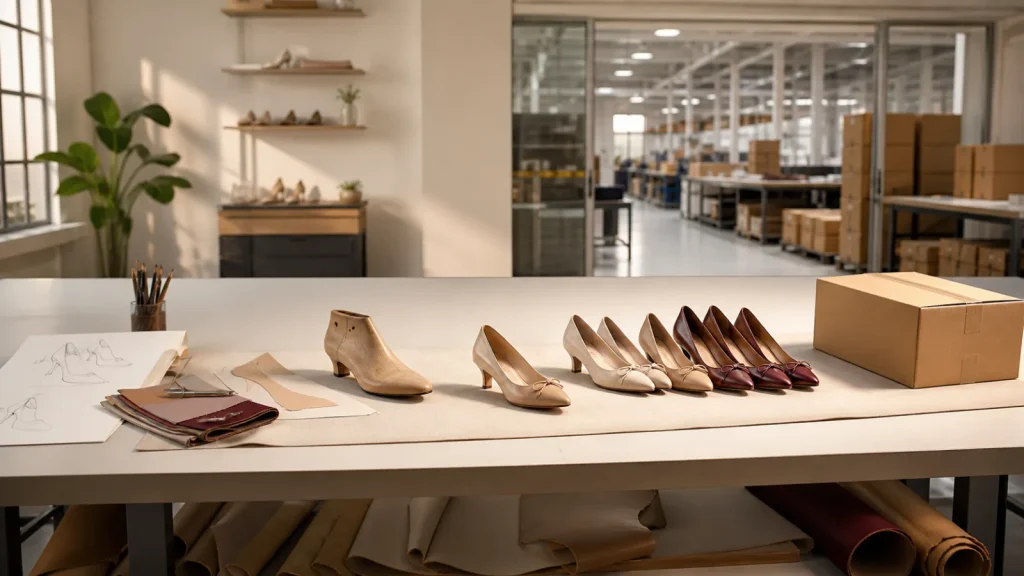
Shoe Manufacturing Lead Time: From Sampling to Bulk Shipment
Plan shoe sampling, approvals, materials, bulk production, inspection and shipment with a practical lead-time model and critical-path checklist.
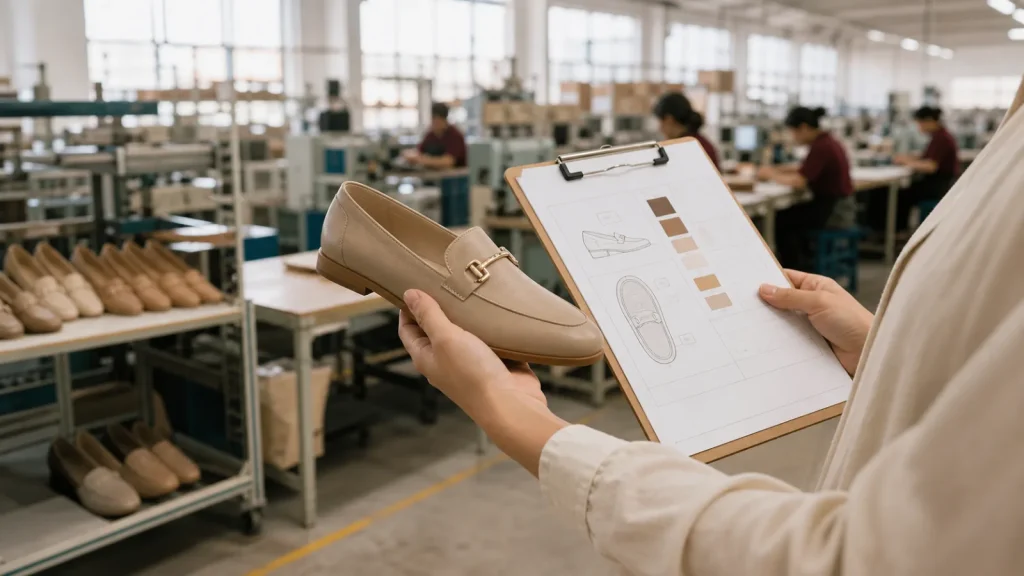
How to Audit a Shoe Factory Before Placing an Order
Audit a shoe factory before ordering: verify identity, capacity, quality controls, subcontracting, worker safety and corrective actions.
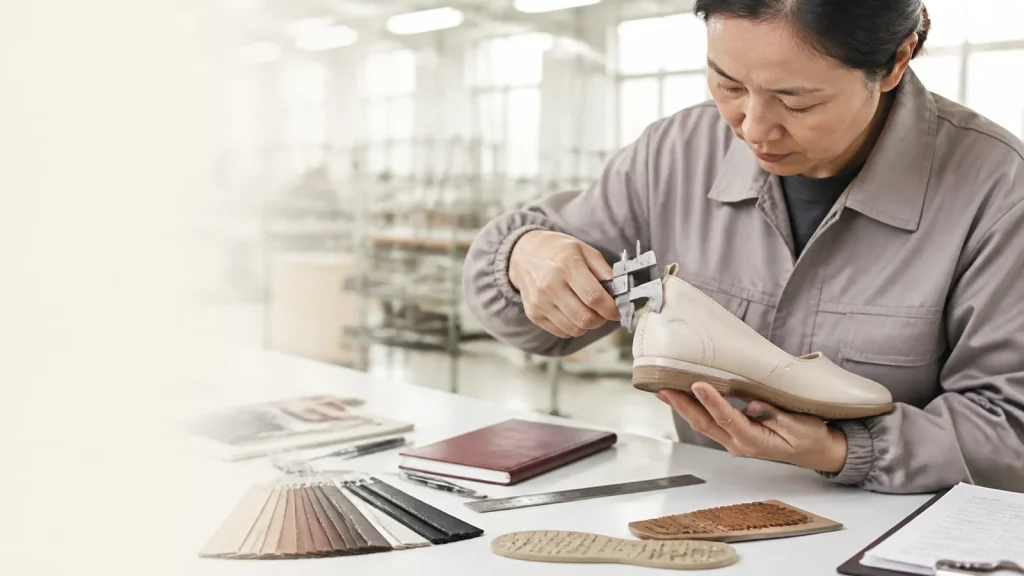
Footwear Inspection Checklist: AQL, Defects and Shipment Control
Build a practical shoe inspection plan covering approved samples, size checks, critical defects, AQL sampling, packaging and shipment release.